
The Tasty Tour
Where Locals Eat, Drink & Spill Their Secrets
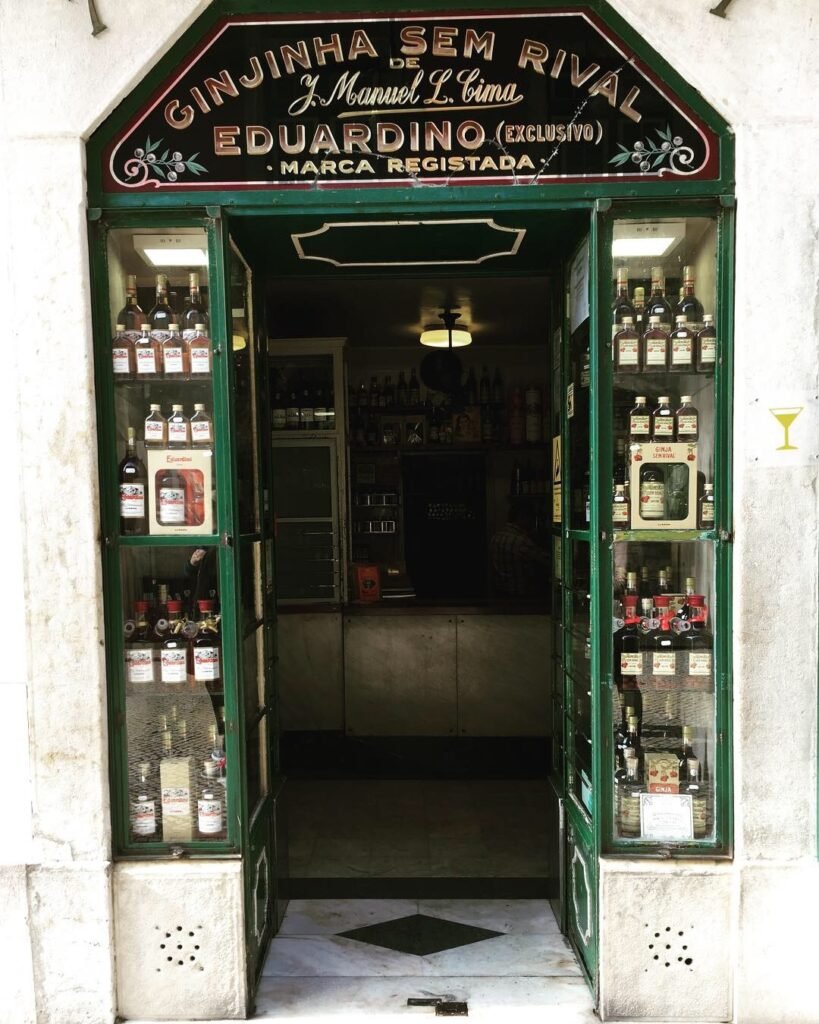
The Tasty Tour is your golden ticket to the Lisbon that locals guard jealously—the century-old tavern where the owner still pours wine from unmarked bottles, the family-run bakery that’s been perfecting one recipe since 1947, the cheese shop where the proprietor will quiz you on your preferences before revealing his private reserve.
This is Lisbon’s culinary soul, unfiltered and unforgettable.
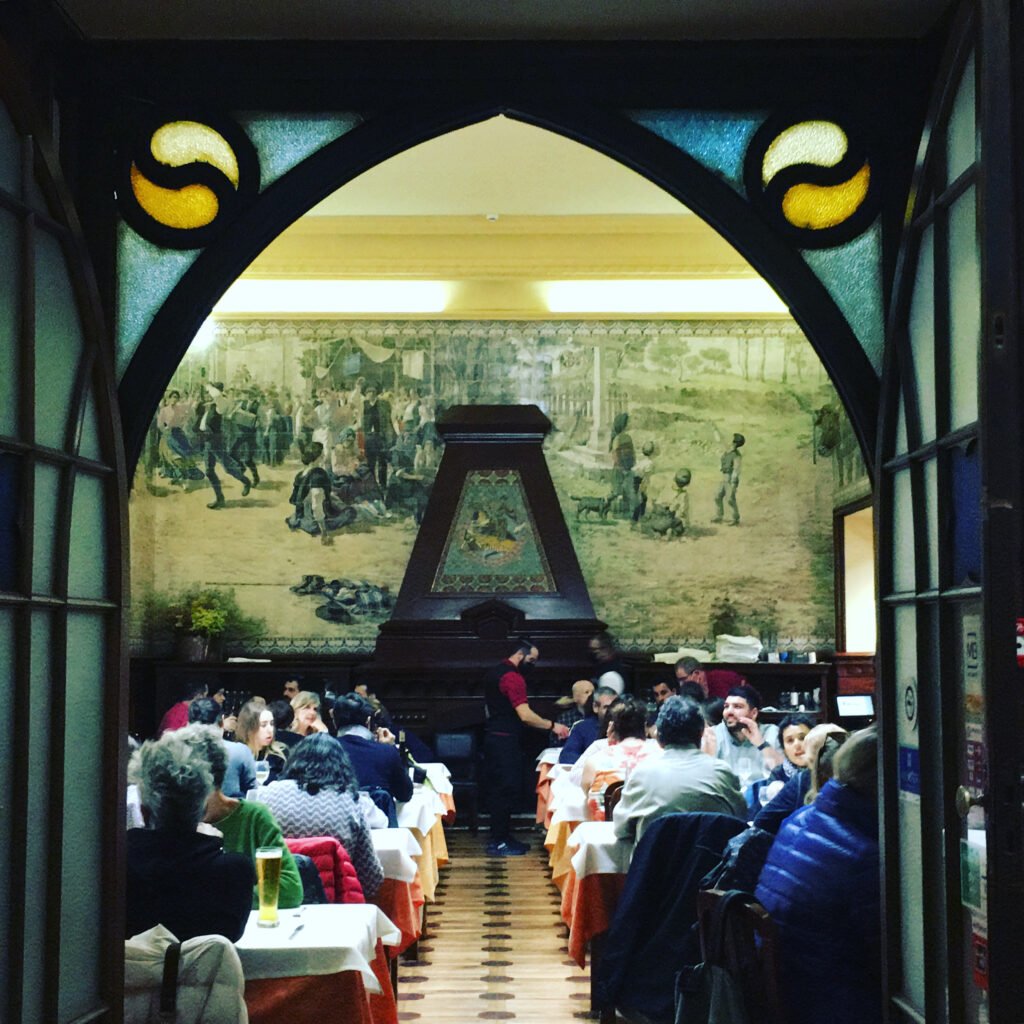
What You’ll Actually Taste
Pastel de Bacalhau
These aren’t the rubbery cod cakes you might fear. We’re taking you where locals grab theirs on the way home – crispy golden outside, impossibly fluffy inside, with just enough garlic and parsley to make you understand why Portuguese people are obsessed with salted cod. The secret? They’re fried to order, never sitting under heat lamps.
Insider tip: The best ones have a bit of green – that’s fresh coriander or parsley mixed into the batter. And locals eat them piping hot, standing at the counter, no plate needed.
Ginjinha
Lisbon’s most famous shot comes in a chocolate cup (yes, you eat the cup). But here’s what tourists miss: there are three types – with berries, without berries, and “educated” (com elas, sem elas, educada). We’ll taste the real deal from a century-old recipe, served from barrels that have been soaking sour cherries since your grandparents were young.
Local secret: Real Lisboetas argue passionately about which of the city’s historic ginjinha bars is superior. Ginjinha Sem Rival vs. Ginjinha Espinheira is like Benfica vs. Sporting – people have strong opinions. You’ll try the one that locals actually frequent (not the tourist-packed one).
Pastel de Nata
Forget the ones you tried already. We’re going where Alfama grandmothers queue every morning – a place that makes them in tiny batches throughout the day, so yours is maximum 20 minutes out of the oven. The difference? The custard is still trembling, the pastry shatters when you bite it, and the caramelized top has that perfect bitter-sweet char.
Did you know? The original recipe came from monks at Jerónimos Monastery who used egg yolks left over from starching their robes. When the monastery closed in 1834, they sold the recipe to the nearby sugar refinery – creating Pastéis de Belém. But locals have their neighborhood favorites that rival the famous original.
Portuguese Beer
Super Bock vs. Sagres – the eternal Portuguese debate. We’ll settle it (or make it worse) by tasting both, plus a craft cerveja artesanal that most tourists never discover. Portuguese beer culture is serious: ice-cold, perfect with petiscos (Portuguese tapas), and consumed with passionate brand loyalty.
What locals know: “Uma imperial” gets you a small draft beer. The glass size matters – different regions have different names. And never, ever let your beer get warm. Room-temperature beer is a crime against Portuguese sensibilities.
Portuguese Wine (The Best-Kept Secret)
While the world obsesses over French and Italian wines, Portuguese wines remain criminally underrated – which means better quality for less money and locals want to keep it that way. We’ll taste wines from volcanic islands, cork forests, and river valleys you’ve never heard of. From crisp Vinho Verde to deep Alentejo reds, paired with cheeses that will ruin you for supermarket varieties forever.
The conspiracy: Portugal exports mostly Port and cheap table wine, keeping the magnificent stuff for themselves. We’re about to blow that cover. You’ll taste a wine that costs €8 in Lisbon but would be €40 if France made it.
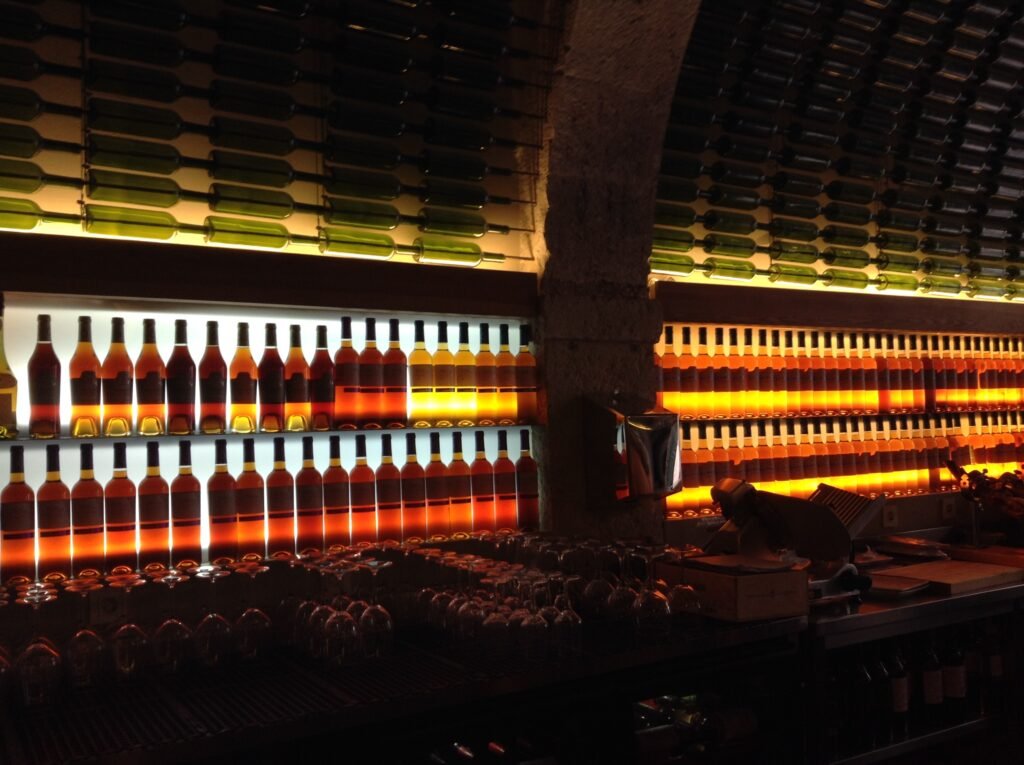
And The Surprises…
We’re not telling you everything – where’s the fun in that? But expect: conservas (tinned fish) that taste nothing like what you’re imagining, a bread that locals fight over, a mystery item that only appears when the owner’s feeling generous, and at least one thing you’ll taste and immediately say “wait, WHAT is this?”
The best bites are the ones you never knew existed.
Real talk: The “surprises” change based on what’s fresh, what’s in season, and what the vendors are excited about that day. It might be percebes (goose barnacles), alheira (a fascinating sausage with a Jewish resistance history), or something the owner just imported from their family village. That’s what makes each tour different.