
The Seven Hills Tour
Three hours through historical Lisbon — the highlights everyone talks about, the hidden corners nobody mentions, and one very sweet secret at the end.
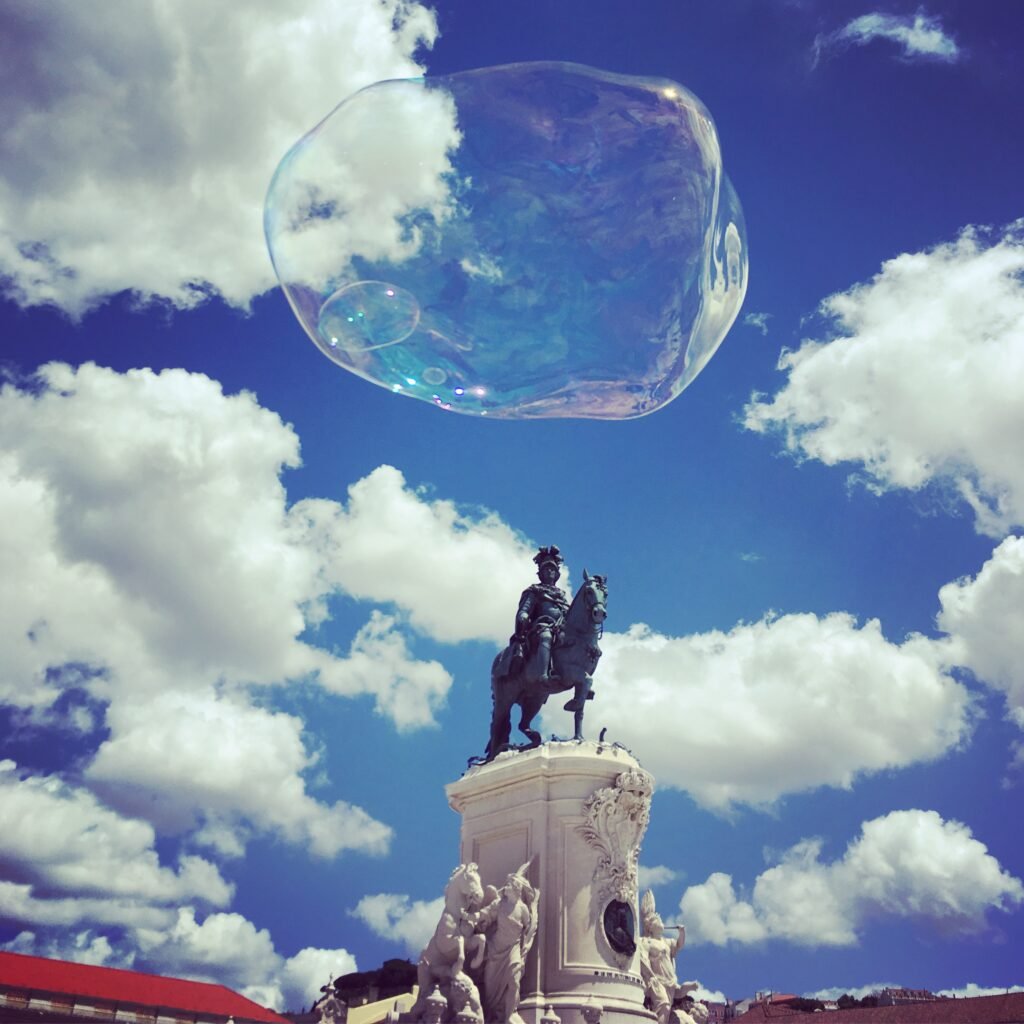
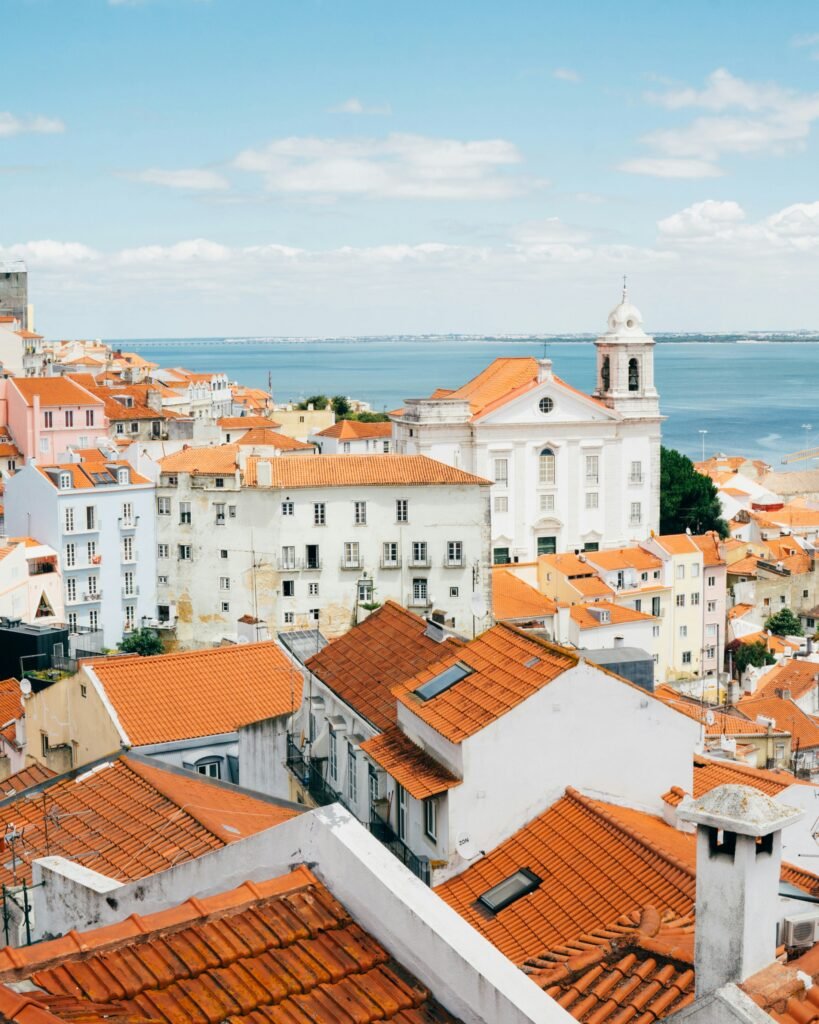
Lisbon is one of Europe’s oldest cities — over 3,000 years of history packed into cobblestone streets, crumbling palaces, and golden-light viewpoints across seven legendary hills. But most tours only scratch the surface. The Seven Hills Tour is built differently: we move through the city the way locals do — knowing exactly where to pause, where to look up, and where to shoot.
Must-See Highlights + Hidden Gems
Not a greatest-hits parade. Not a secret-only tour. The Seven Hills Tour blends both, because the best version of Lisbon lives between the two.
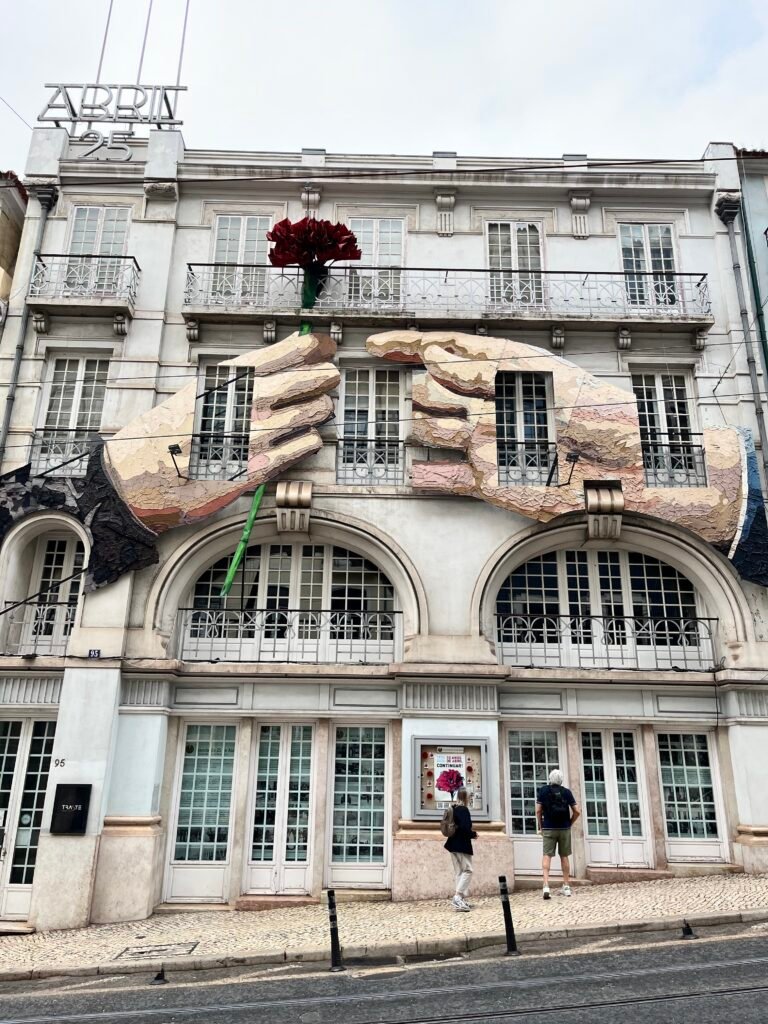
What you can expect :
Santa Justa Elevator (Must See)
This neo-Gothic iron tower isn’t just a lift — it’s a 45-meter-tall engineering marvel from 1902. Everyone rides it. Almost nobody knows it was designed by a student of Gustave Eiffel, or that there’s a secret spiral staircase inside that hasn’t been used in decades.
Largo do Carmo (Must See)
The roofless church that stopped time. When the 1755 earthquake struck during morning mass, the ceiling collapsed and killed everyone inside. It was never rebuilt — left open to the sky as a memorial. Stand inside and you can still see the scorch marks from the fires that followed.
Igreja de São Roque (Hidden Gem)
From the outside, it looks plain — almost boring. Step inside and your jaw will drop. This is one of the most opulent churches in Portugal, covered floor-to-ceiling in gold, marble, and precious stones. The Capela de São João Baptista alone cost more than the entire church building. Locals call it “the plainest church with the richest heart.”
Rossio Square (Must See)
Lisbon’s living room for 800 years. Public executions happened here. Revolutions started here. The famous wavy Portuguese pavement (calçada portuguesa) was perfected here. And if you stand in the exact center, the acoustic effect makes sounds echo in strange ways — locals have known this trick for generations.
São Jorge Castle (Must See)
Everyone visits. But almost nobody knows about the ancient Roman cisterns hidden beneath the walls, or the peacocks that have lived here for decades (locals have names for them). We’ll show you the spot where only two of them dare to roam — and the view from the battlement that doesn’t appear in any photograph.
Miradouro de Santa Luzia (Must see)
One of Lisbon’s most romantic viewpoints, covered in beautiful azulejo tiles that tell the story of the city before the earthquake. Most people snap a photo and leave. We stay long enough to show you the tile panel that depicts Terreiro do Paço before it was rebuilt – the only visual record of what Lisbon looked like in its Golden Age.
And many more surprising spots !!!
Because walking through 3,000 years of history across seven hills deserves a reward. At the end of the Seven Hills Tour, we stop at a pastelaria that’s been perfecting pastéis de nata since before your grandparents were born.
Fresh. Hot. Trembling custard. Shattered pastry. Cinnamon on top. Eaten standing, the way Lisboetas do it.
The Nata Secret:
The original pastel de nata was invented by monks at Jerónimos Monastery — made with egg yolks left over from starching their robes. When the monastery closed in 1834, the recipe was sold to a nearby sugar refinery. The pastry that came from a coincidence became a national obsession.