Every city has its iconic guides. Paris has flâneurs in berets, Rome has animated nonnas pointing at fountains. Lisbon? Lisbon has a dead poet who was actually 75+ people, spent his afternoons getting quietly drunk in taverns, and wrote most of his masterpieces on loose scraps of paper he shoved into a trunk.
Welcome to touring Lisbon with Fernando Pessoa—the only guide who’ll show you the city through at least four different personalities before lunch.
The Man Who Contained Multitudes (Literally)
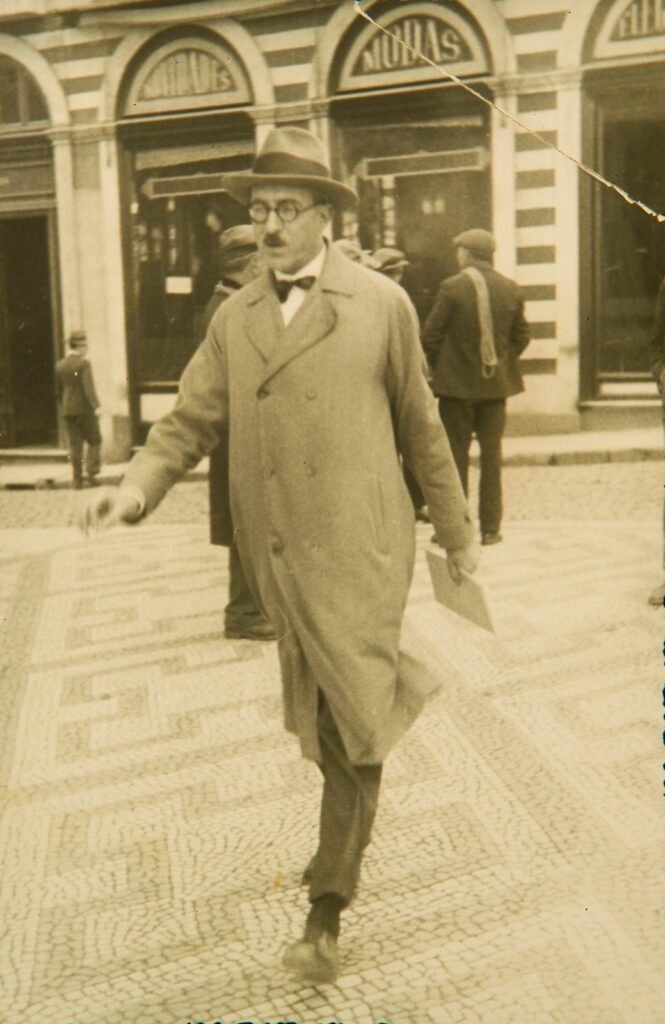
Here’s what your average tourist brochure won’t tell you: Pessoa didn’t just write under pseudonyms—he created heteronyms, fully realized alternative identities complete with biographies, astrological charts, and conflicting philosophical beliefs. Alberto Caeiro was a nature-loving shepherd. Ricardo Reis was a classical, Horace-obsessed physician. Álvaro de Campos was a bisexual naval engineer who wrote in explosive free verse. And Pessoa himself? Just another character in the ensemble.
Imagine hiring a tour guide who, mid-explanation of the Jerónimos Monastery, suddenly adopts a completely different accent and contradicts everything he just said. That’s basically Pessoa’s entire literary output—and it makes him the perfect guide for Lisbon, a city that’s simultaneously melancholic and vibrant, ancient and modern, always presenting different faces depending on the light.
His Actual Haunts (The Real Tour)
Forget those hop-on-hop-off buses. The true Pessoa tour hits different spots:
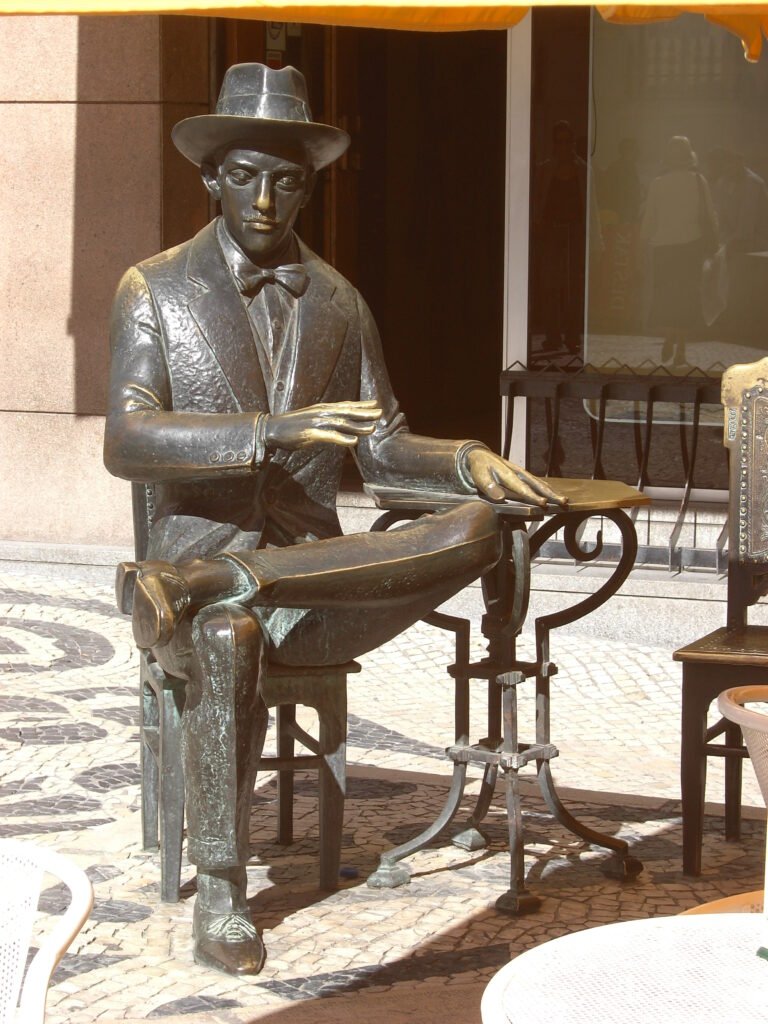
Café A Brasileira in Chiado remains his most famous haunt, where a bronze Pessoa still sits at an outdoor table, frozen mid-contemplation. In life, he’d nurse a coffee (or more likely, a brandy), scribbling fragments of genius on whatever paper was handy. The café’s still there, still serving, and yes, tourists absolutely will make you take their photo with statue-Pessoa.
Rua dos Douradores housed the office where Pessoa worked as a commercial translator by day—a spectacularly boring job that somehow coexisted with his internal universe of poetic identities. The building’s been converted into the Casa Fernando Pessoa, a museum that houses that famous trunk containing over 25,000 manuscript pages he never bothered to organize. (Pessoa’s filing system: « Trunk. Everything. Good luck. »)
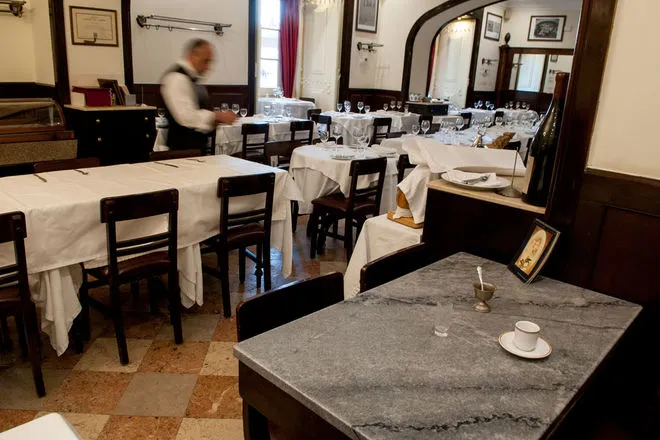
Martinho da Arcada, Lisbon’s oldest café in the Baixa district, was another regular stop. Here, Pessoa would sit in the back room, often dining alone—though philosophically, was he ever truly alone with all those heteronyms?
The Unknown Bits (Party Tricks for Dinner)
Want to sound sophisticated at your next Lisbon wine tasting? Drop these:
- Pessoa worked in advertising and was actually quite good at it. He created slogans and campaigns while simultaneously writing modernist poetry about the void. The duality is very Lisbon.
- He wrote fluently in English—he spent part of his childhood in Durban, South Africa, and his first published works were English poems. He’d later translate Portuguese works into English and vice versa, sometimes arguing with himself across languages.
- His most famous work, The Book of Disquiet, was never finished. It’s a collection of fragments—a perfectly Pessoa approach to literature. Why resolve anything when ambiguity is so much more interesting?
- Despite being one of Portugal’s greatest writers, he published exactly one book in Portuguese during his lifetime: Mensagem (1934). One. Book. The rest? That trunk.
Why He Gets Lisbon (And Why Lisbon Gets Him)
Lisbon is a city of saudade—that untranslatable Portuguese word meaning a melancholic longing for something absent, possibly something that never existed. Pessoa embodied this. He walked these streets feeling simultaneously present and absent, Portuguese and foreign, singular and multiple.
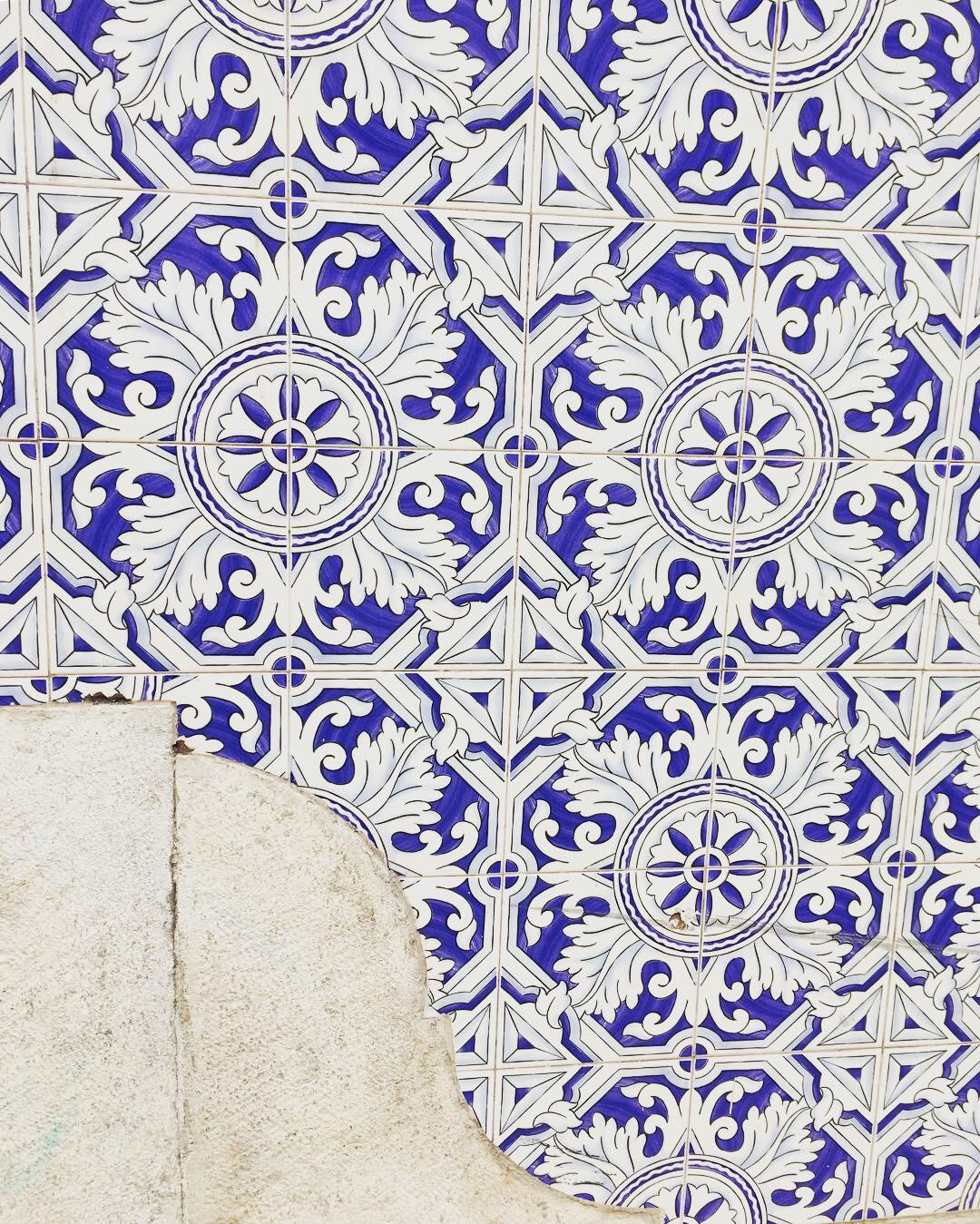
His Lisbon wasn’t about monuments—it was about the light on Tagus River, the geometry of tiled façades, the weight of afternoon silence in small squares. He wrote: « I bear the wounds of all the battles I avoided. » That’s Lisbon: a city of gentle warriors, of dreams deferred, of empire lost but beauty retained.
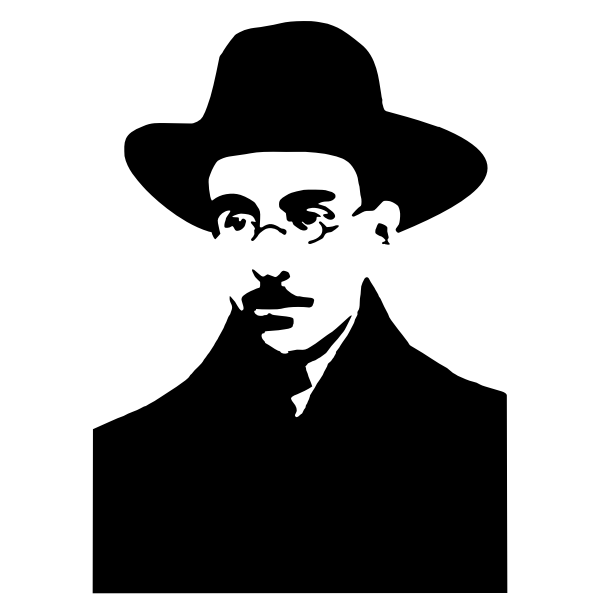
The Tour That Never Ends
The genius of Pessoa as tour guide is that he’ll never give you closure. You won’t tick off a list and move on. Instead, you’ll find yourself returning to that café table, that river view, that narrow street, trying to see what he saw—or rather, what Caeiro saw, or Reis, or Campos, or the semi-heteronym Bernardo Soares.
You’ll realize that Lisbon, like Pessoa, can’t be contained in a single narrative. It’s a city of layers, contradictions, and personalities. The best way to see it isn’t through facts and dates, but through the eyes of a man who understood that the deepest truth about any place is its multiplicity.
So next time you’re in Lisbon, skip the guidebook. Just wander. Get lost. Sit in a café with a bica and watch the light change. Channel your inner heteronym.
Pessoa would approve—all 75+ of him.

Laisser un commentaire