
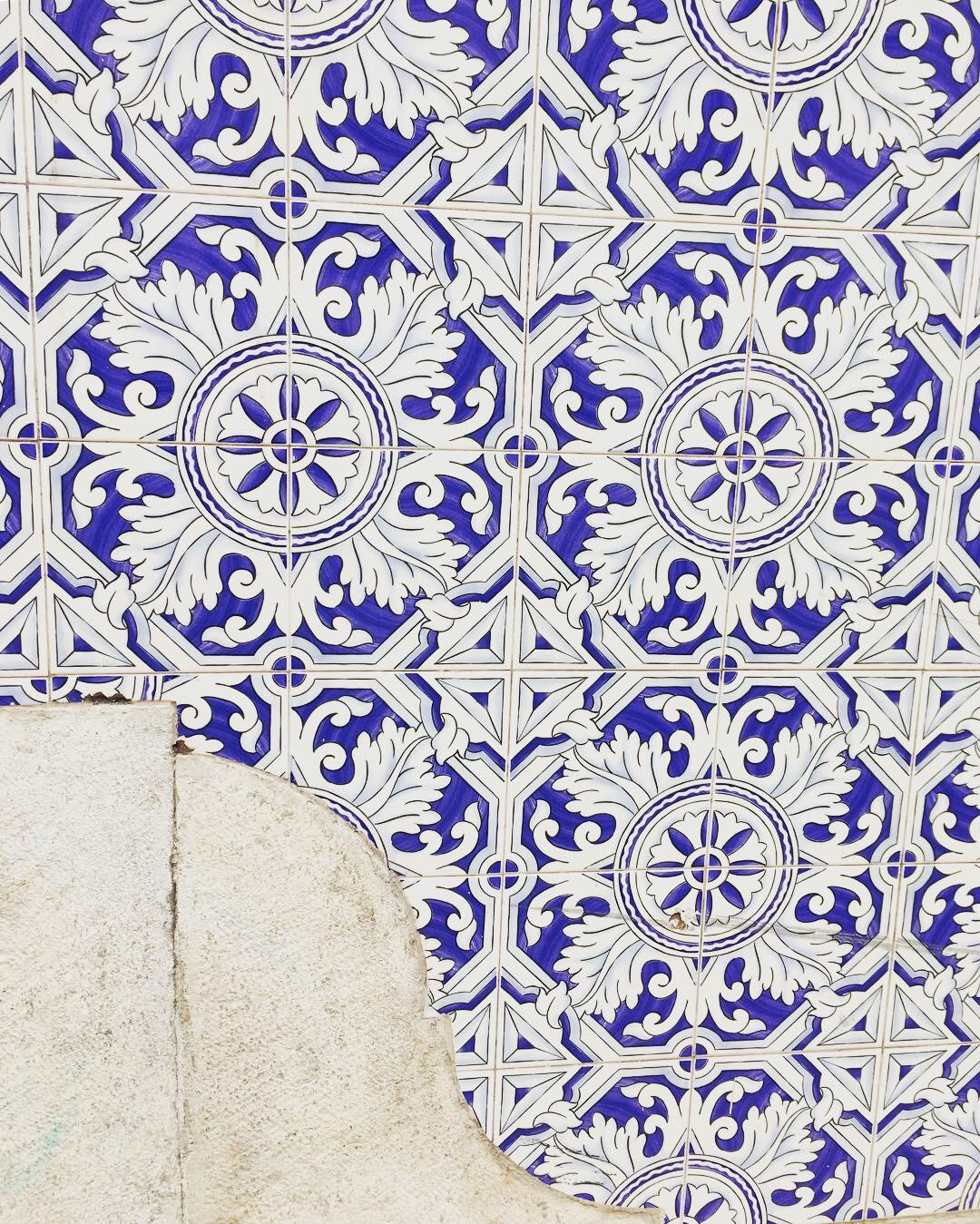
Wandering through Lisbon, it’s impossible not to be captivated by the intricate, colorful tiles that cover the city. Azulejos are everywhere—adorning old palaces, hiding in quiet alleyways, and telling stories on the walls of metro stations. But have you ever wondered where they came from? Their journey to Portugal is as fascinating as the tiles themselves.
A Journey Across Cultures
Azulejos didn’t originate in Portugal. Their story begins in the Islamic world, where artisans mastered the art of glazed ceramics to create dazzling geometric patterns for mosques and palaces. The word “azulejo” itself comes from the Arabic “al-zillīj”, meaning “polished stone.”
From North Africa, the tradition traveled to Spain, where the Moors brought tilework to cities like Seville and Granada. In the 15th century, Portugal’s King Manuel I visited Seville and fell in love with the beauty of these ceramic masterpieces. Inspired, he brought the technique to Portugal, and soon azulejos started appearing in palaces and churches across the country.
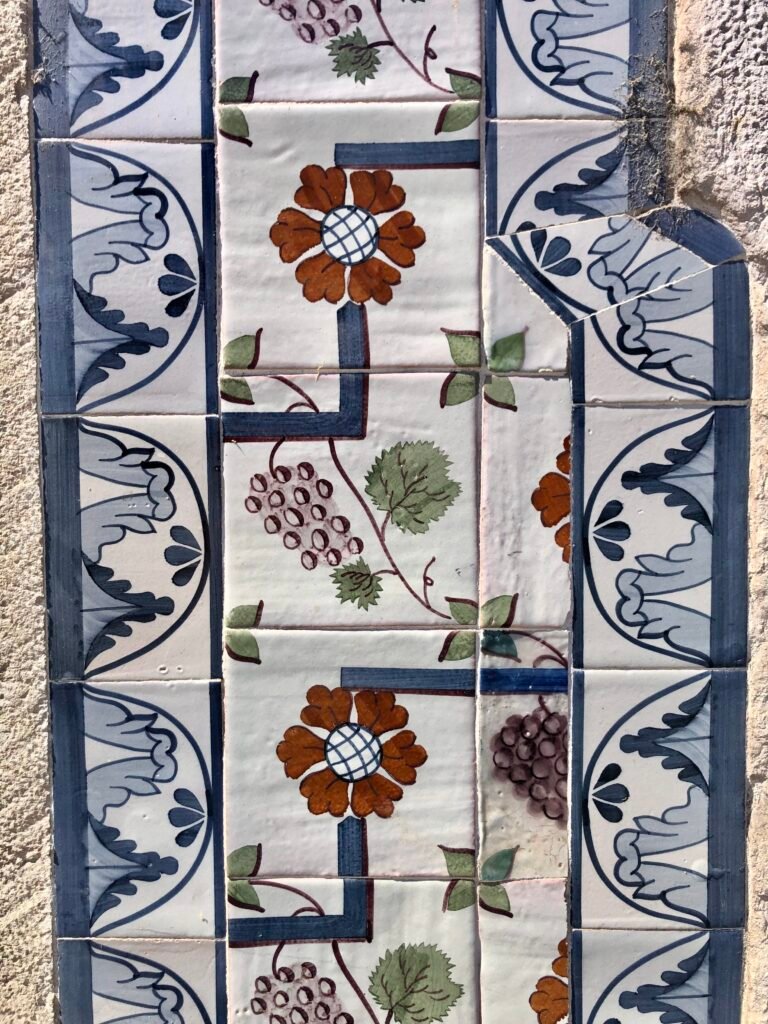
But let’s go back a little
Azulejos have a long, winding history that spans continents and cultures. They didn’t originate in Portugal—but the Portuguese perfected them in a unique way. Here’s the journey of azulejos before they became one of Portugal’s greatest artistic treasures:
The Islamic Origins (8th–13th Century)
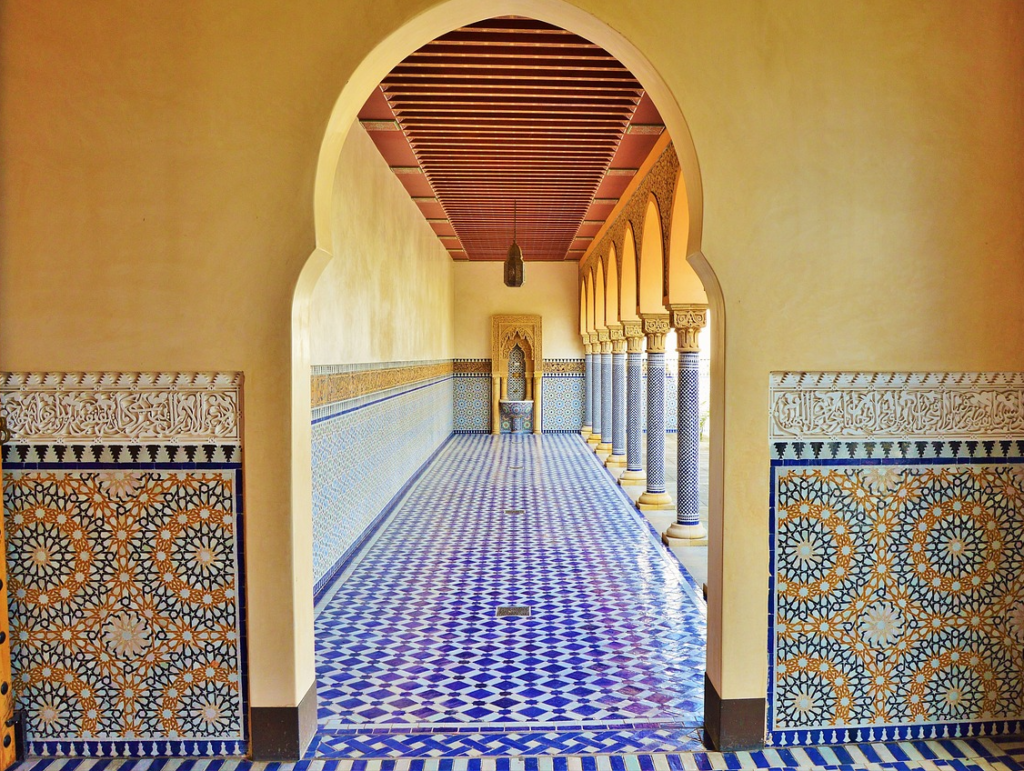
The word « azulejo » comes from the Arabic « al-zillīj » (الزليج), meaning « polished stone ». These glazed ceramic tiles originated in North Africa and the Middle East, where Islamic artisans used them to decorate palaces, mosques, and fountains. Their intricate geometric patterns were inspired by Islamic art, which avoided depicting human figures.
Arrival in Spain (13th–15th Century)
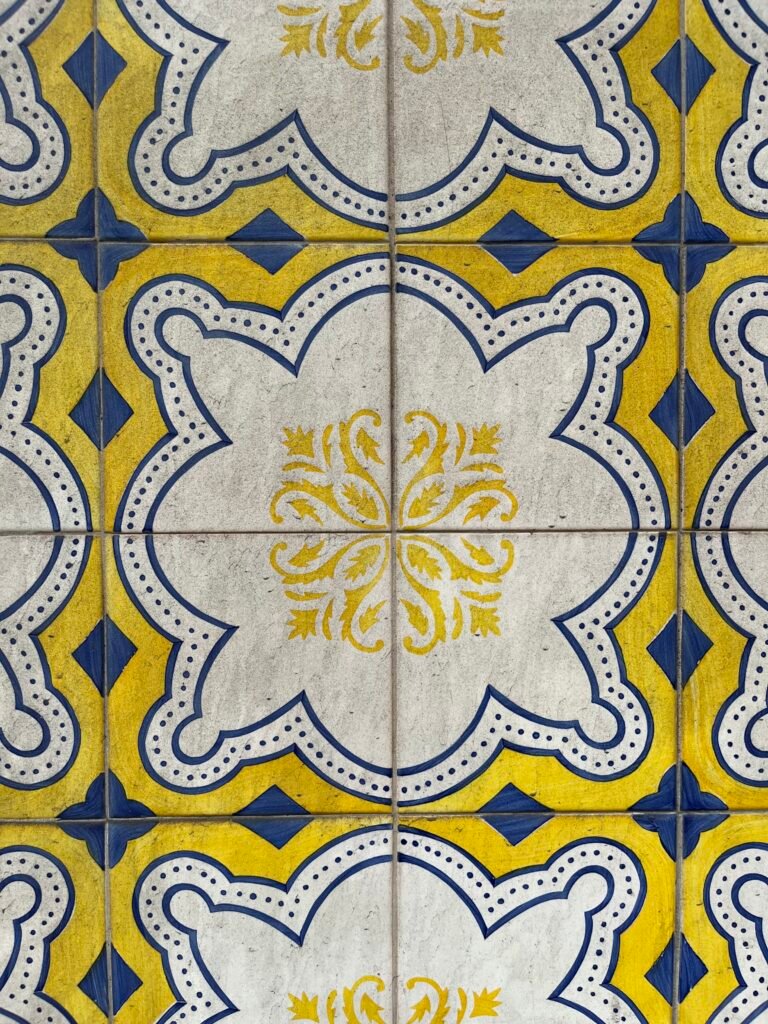
The Moors introduced azulejos to Al-Andalus (modern Spain), especially in cities like Seville, Granada, and Toledo. The Alhambra Palace in Granada is one of the most famous examples of early azulejo work. The Spanish adopted and evolved the craft, creating colorful Mudéjar-style tiles.
The Portuguese Adoption (15th–16th Century)
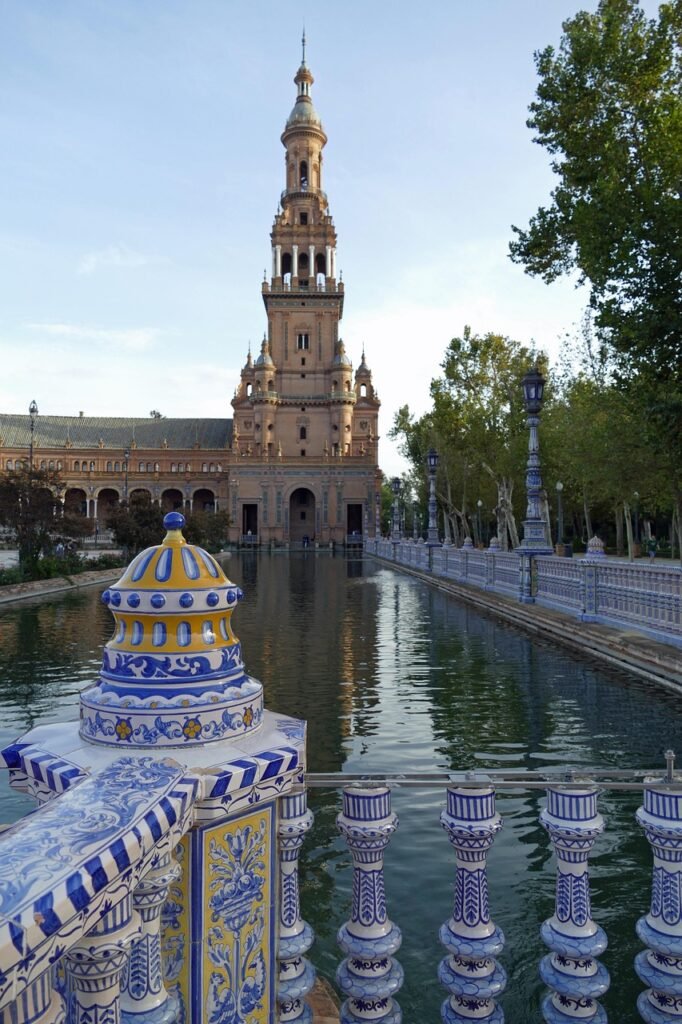
King Manuel I of Portugal visited Seville in the 15th century and was mesmerized by the beautiful tiles. He decided to bring the technique to Portugal to decorate palaces and churches. Initially, Portuguese azulejos followed the Spanish style, with vibrant colors and Islamic-inspired patterns.
The Dutch Influence (17th Century)
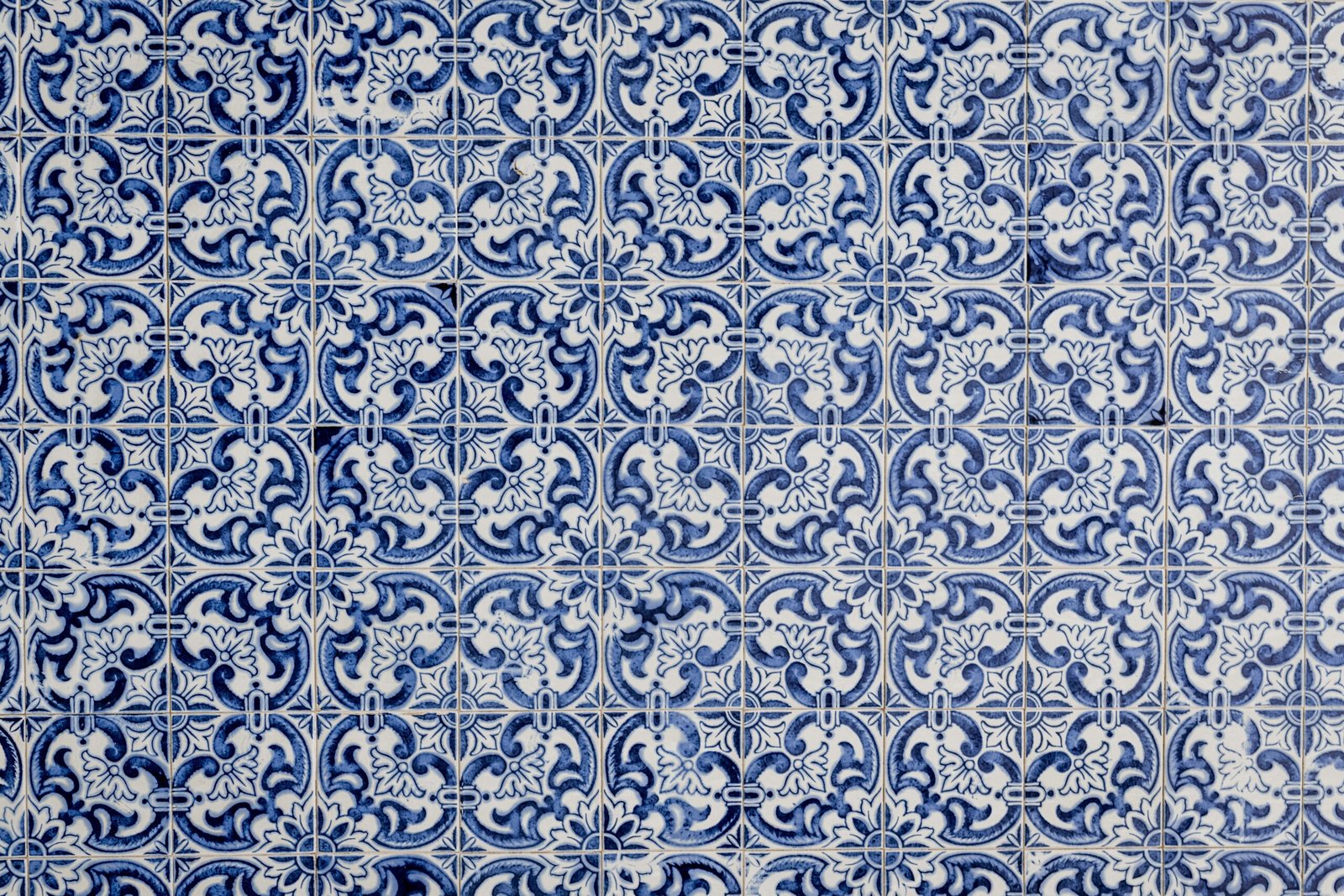
In the 17th century, Portuguese artisans were inspired by Dutch Delft tiles, which were blue and white. They started producing their own versions, leading to the famous « azul e branco » (blue and white) Portuguese tiles that became iconic.
The Golden Age of Portuguese Azulejos (18th Century)
During the Baroque period, Portugal became one of the top producers of azulejos. Massive tile panels were used to decorate churches, palaces, and even streets. The Palácio dos Marqueses de Fronteira and the São Vicente de Fora Monastery in Lisbon are spectacular examples.
The Modern Evolution (19th–20th Century)
Azulejos became more than just decoration—they were used for storytelling, illustrating historical events, everyday life, and even political messages. Today, Lisbon’s Metro stations, public buildings, and contemporary artists continue to innovate with azulejos.
Would you like to know about some specific azulejo locations in Lisbon? Or maybe a secret story behind a particular tile panel?
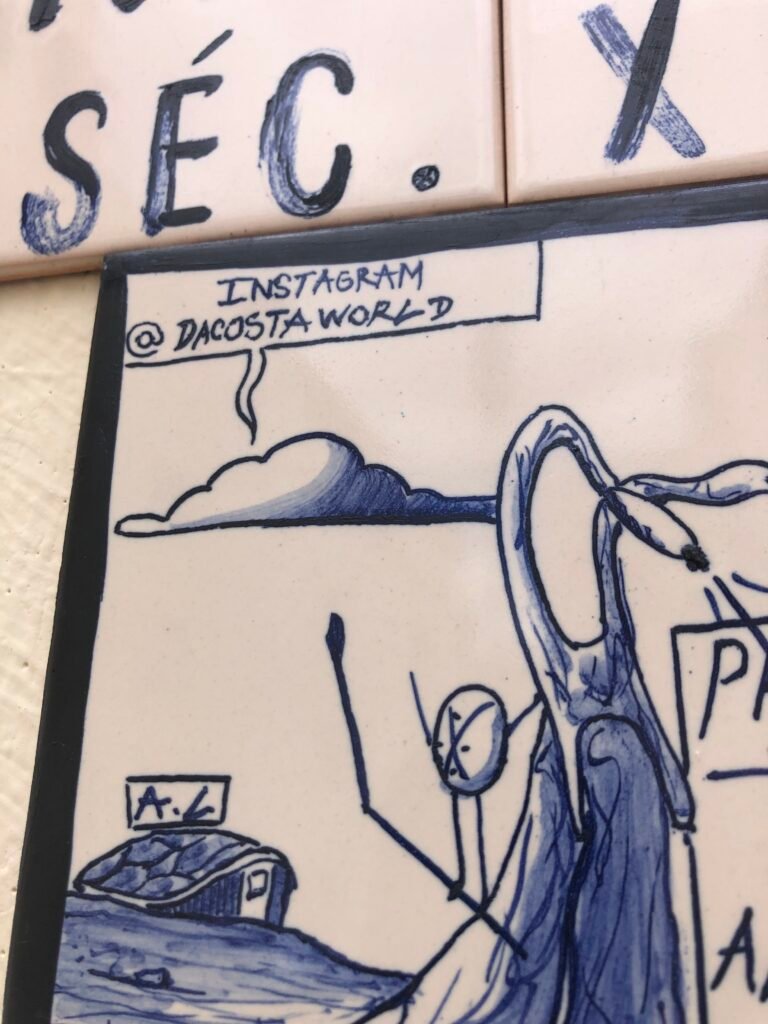
Let’s take a closer look at Lisbon’s famous azulejos, shall we?
At first glance, they seem like pure decoration—beautiful blue and white patterns covering buildings, churches, and palaces. But what if I told you some of these tiles are whispering secrets from the past? Hidden messages, silent protests, and symbols that only the most observant will catch. Ready to explore?
Azulejos: Silent Storytellers of Resistance
Imagine living in a time when speaking your mind could get you in trouble. During the Estado Novo dictatorship (1933–1974), Portugal was under strict censorship, and people had to be careful with their words. But artists? They found another way to express themselves—through tiles.
Some of these seemingly innocent azulejos actually held hidden messages. Keep an eye out for:
🔹 Caged Birds: Ever noticed birds painted inside tiny cages? This wasn’t just a design choice—it symbolized the lack of freedom many Portuguese people felt at the time. Some tiles even showed birds flying away, a subtle but hopeful message.
🔹 Broken Chains: Among the intricate patterns, some tiles featured chains—but if you looked closely, some of those chains were breaking. A quiet call for liberation, hidden in plain sight.
🔹 Hidden Eyes: Some tile artists wove small, watchful eyes into their designs—a reminder that people were always being watched under the regime.
The Church and Its Secret Symbols
Religious azulejos are everywhere in Lisbon, but not all of them are as straightforward as they seem. In times when religion was restricted, artists found ways to keep faith alive:
🔸 The « Mary » Signature: Some tiles have a discreet « M » hidden in the patterns—a tribute to the Virgin Mary when public devotion was discouraged.
🔸 Saints in Disguise: Some biblical figures were painted with features borrowed from historical or mythical figures, helping sacred messages survive without drawing suspicion.
Where to Find These Secret Messages in Lisbon
Next time you’re wandering through the city, slow down and take a closer look at the tiles around you. Some of the best places to spot these whispered messages are:
📍 Alfama & Mouraria – These historic neighborhoods are full of old azulejos, some untouched for centuries. Look for tiny symbols tucked into the patterns!
📍 Convento dos Cardaes – A hidden gem with baroque azulejos, where religious symbols are cleverly woven into the floral designs.
📍 Palácio Fronteira – This palace is a wonderland of tiles, and if you look closely, you might just find artistic “codes” hidden within the grand battle scenes.
The Legacy Lives On
Even though censorship ended in 1974, the tradition of using azulejos to tell stories hasn’t disappeared. Today, artists still create tiles with social and political messages—some obvious, some as subtle as those from the past.
So, next time you’re in Lisbon, don’t just admire the azulejos—read them. Who knows what hidden stories you might uncover?

Laisser un commentaire